
The Methodology
symptoms are teachers
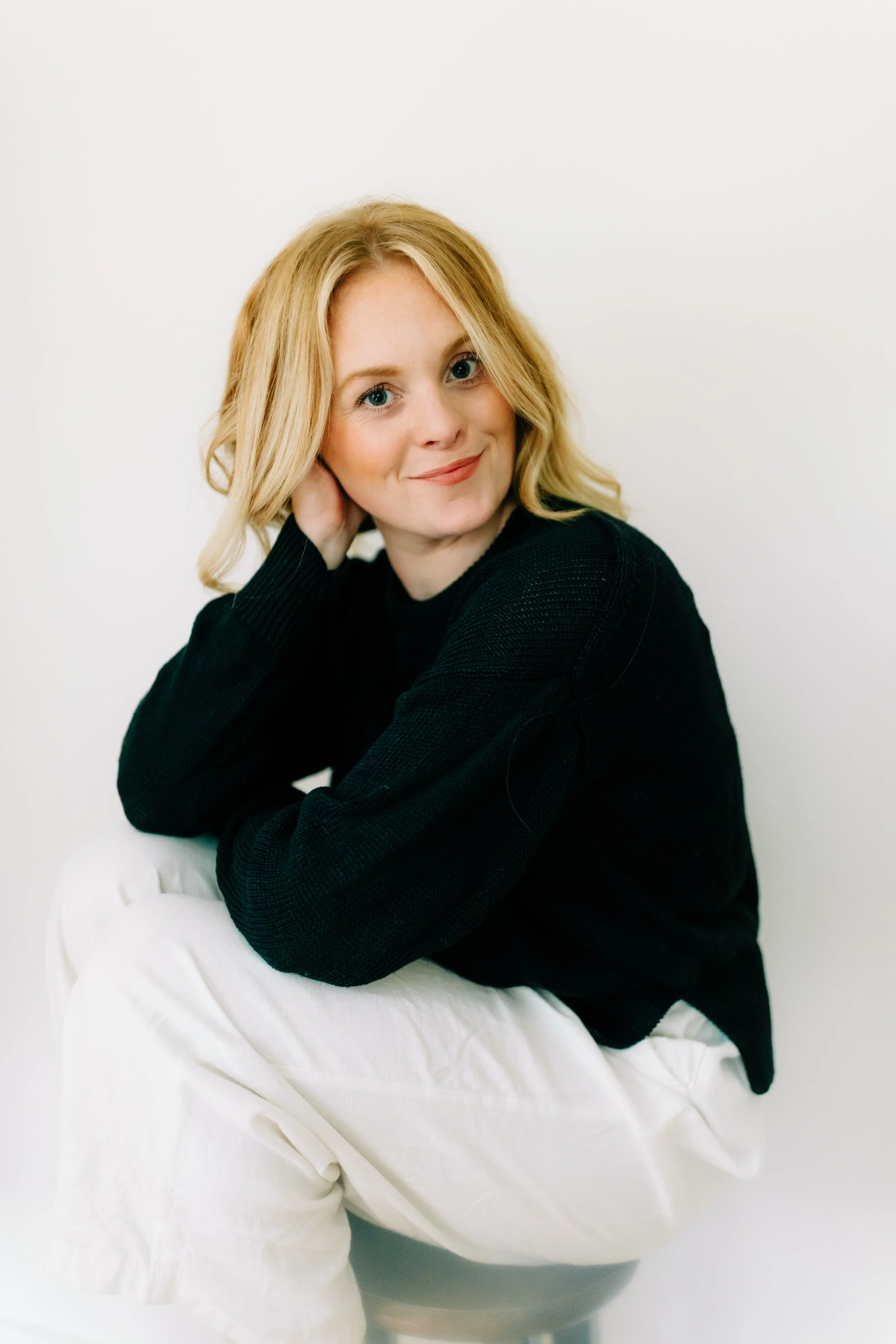
A note from me to you:
In today’s world, where diet culture reigns and wellness trends promise quick fixes, Relational Nutrition offers something refreshingly different—and quietly revolutionary.
Most approaches focus on short-term results or rigid rules. Relational Nutrition looks deeper - to the emotional and psychological roots of our food choices. It’s not about “fixing” your diet, but about nurturing a lasting, loving, relationship with food that nourishes you from the inside out.
Why do so many of us strive for wellness but fall into habits that don’t serve us? Why does food often become our comfort when we’re stressed or lonely?
It’s not about willpower. It’s about relationship—how we use food to live, to cope, to soothe, to fill the spaces where we long for connection. Sometimes food is a hug when we’re sad, a pause in the chaos, or a stand-in for something missing.
This approach invites us to move beyond the old idea that food is just calories or fuel. Food carries our stories—our emotions, memories, and family patterns. From childhood dinners to cultural traditions, the way we eat is shaped by far more than hunger.
And here’s the magic: when we address the emotional and relational aspects of eating, real change happens. You won’t bounce between fads, you’ll find trust your body. Eating becomes simpler, more joyful, and more connected.
Ultimately, Relational Nutrition restores food to its rightful place—as a relationship. It’s not just about eating “better,” but about understanding why we eat the way we do and shifting patterns to support our whole selves.
Let’s work together to make that connection nourishing in every way.
With love,
Kate
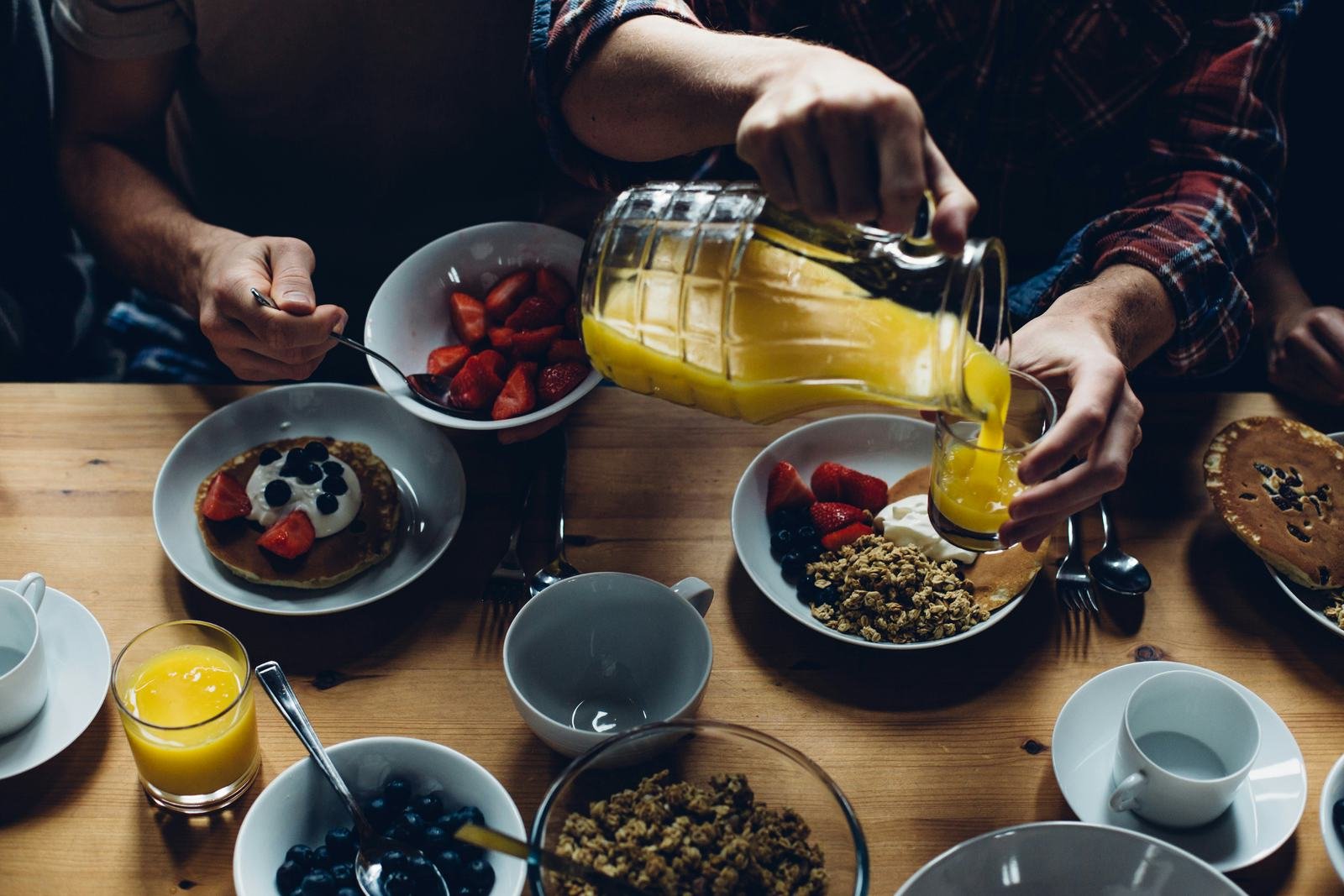
What is Relational Nutrition?
Guided by nature’s wisdom and the precision of science, our approach to nourishment is rooted in relationships. Relational Nutrition emphasizes the intricate connections between food, emotions, body, mind, environment and personal history.
It’s not just about what we eat but the deeper "why" and "how" behind our choices. Relational Nutrition values the emotional connection to food over a purely clinical perspective.
When addressing food trauma or disordered eating, it’s essential to rebuild a safe and trusting relationship with the body, food, and choices. This process has more to do with emotion than science—it’s about learning to engage with food in a supportive, not stressful way.
We’ll explore how to relate to, enjoy, and possibly even love food again using the following pillars.
1. Day to Day Relationship(s)
We’ll explore the life cycle of food through many lenses—one meal, one day, or the seasons of your life.
Food is one of the most enduring relationships you’ll ever have—alongside family, friendship, and home. It shapes not only your health but your sense of belonging and connection.
What might life feel like when your relationship with food becomes steady, kind, and supportive?
What other relationships in your life influence how and what you eat?
Together, we’ll reimagine food as an ally—something that nurtures rather than rules you. You’ll learn to nourish yourself in a way that feels both sustainable and deeply satisfying.
2. Key Pillars of Well-Being
I honor the six essential nutrients that sustain the body, while recognizing that true nourishment extends far beyond numbers. The way we rest, feel, and eat is uniquely our own.
Through a trauma-informed, evidence-based approach that also honors intuition, I focus on the daily foundations that support balance and vitality:
Digestion
Sleep
Blood sugar balance
Stress regulation
These are not boxes to check, but living rhythms to listen to—each one a reflection of how your body seeks harmony.
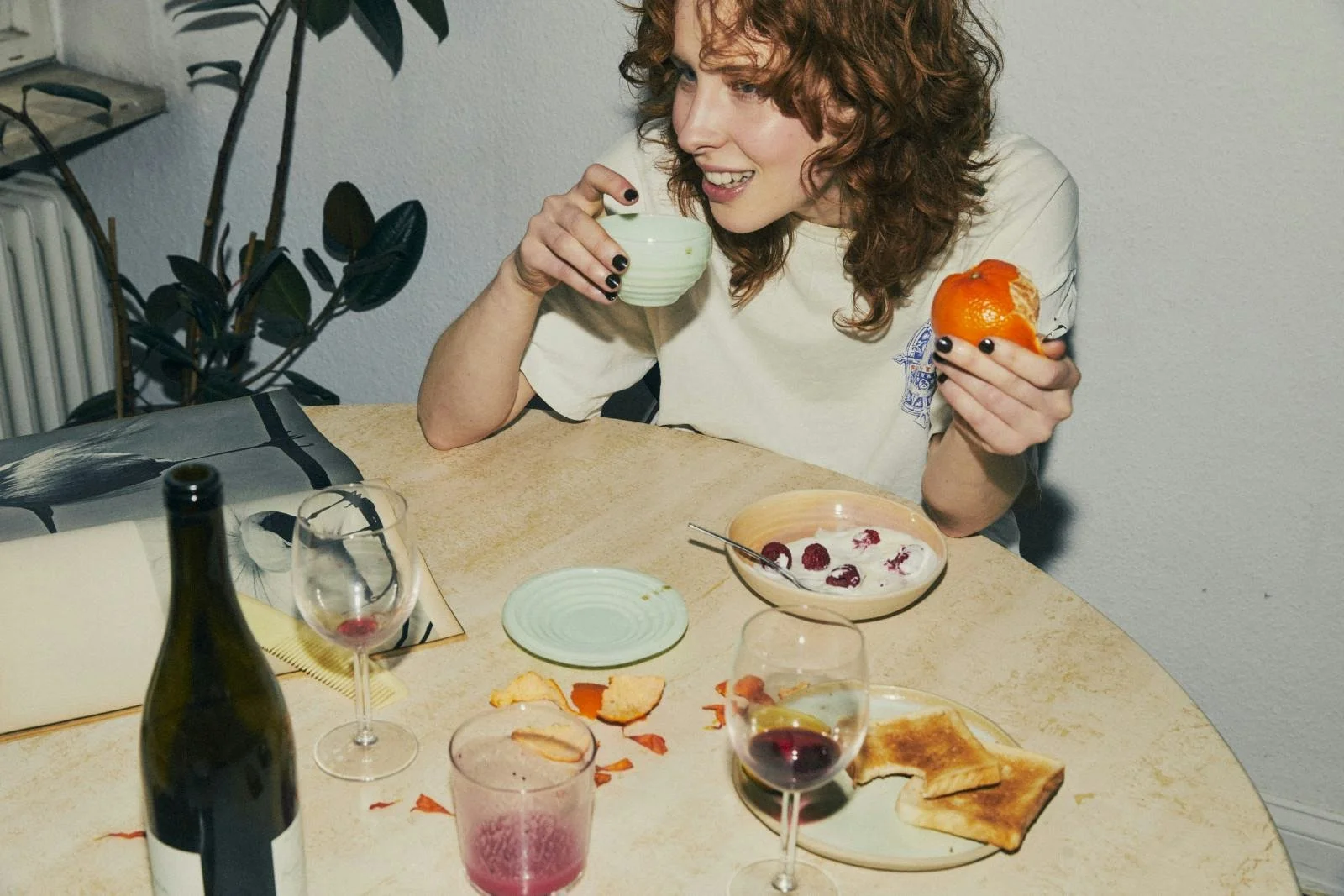
When we slow down and listen, the body reveals what it needs. By reconnecting with this innate wisdom—and stepping away from trends and quick fixes—you’ll begin to cultivate a way of eating that is grounded, trusting, and intuitive.
This is where science and self-knowledge meet. As you deepen your awareness of your body’s signals, nourishment becomes less about rules and more about relationship.
I help you build that trust—so you can evolve with your body, not against it—and find ease in the way you nourish yourself each day.